Understanding the Need for Creative Mentorship
In today's fast-paced design landscape, mentorship plays a pivotal role in nurturing creativity and honing professional skills. The guidance of experienced mentors can significantly affect aspiring designers, helping them navigate the complexities of design projects, industry expectations, and evolving trends. The importance of mentorship in the design industry cannot be overstated, as it fosters an environment where creativity thrives and innovation is nurtured. At rokok 88, we recognize the transformative power of mentorship and aim to bridge the gap between ambition and achievement.
What is Creative Mentorship?
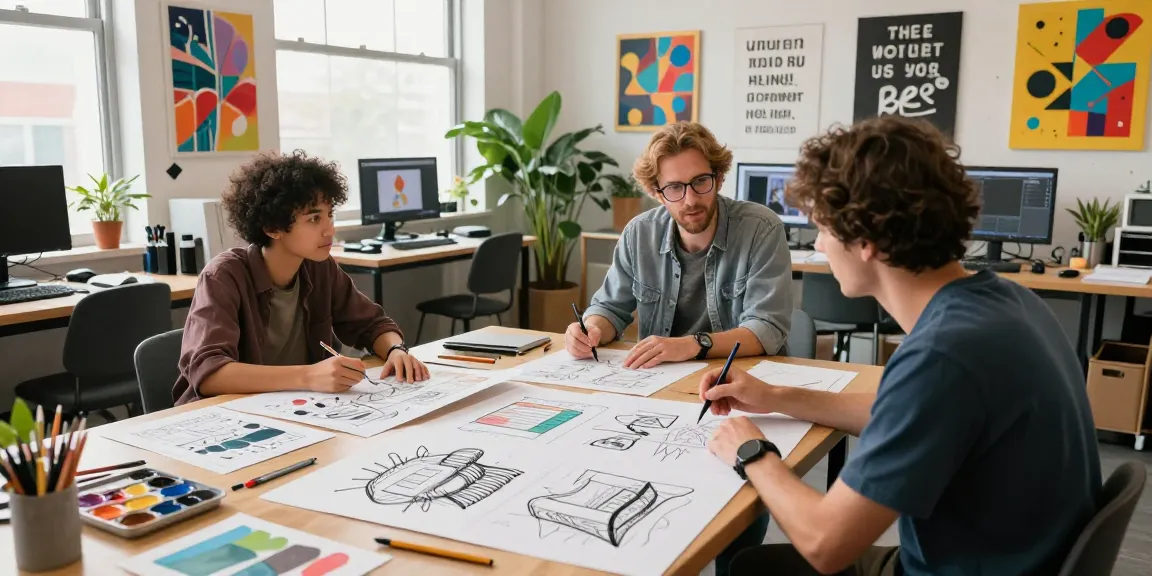
Creative mentorship is a structured relationship between a mentor and a mentee, focused on fostering the mentee's creative skills and professional development in design. It involves guidance, support, and knowledge-sharing, providing a framework for the mentee to enhance their abilities and develop their unique style. Through regular interactions, mentors offer insights based on their own experiences, helping mentees to navigate challenges, explore new ideas, and build confidence in their work.
Why is Mentorship Vital in Design?
Mentorship is crucial in design for several reasons:
- Skill Development: Mentors help mentees acquire essential technical skills, enabling them to perform effectively in real-world scenarios.
- Networking Opportunities: Mentorship expands networking opportunities, connecting mentees with industry professionals who can open doors to career advancement.
- Feedback and Critique: Regular feedback is invaluable for growth. Mentors provide constructive critiques that help mentees refine their work and develop a critical eye.
- Confidence Building: Knowing that one has a mentor’s support can boost a designer’s confidence, encouraging them to take creative risks.
Common Myths About Design Mentorship
Despite its clear benefits, several myths about mentorship persist:
- Only Beginners Need Mentors: While beginners can greatly benefit from mentorship, experienced designers can also gain insights from mentors to advance their skills further.
- Mentorship is Just About Technical Skills: Effective mentorship goes beyond technical skills; it encompasses personal growth, industry insights, and professional development.
- Mentor-Mentee Relationships are Always Formal: Many successful mentorships are informal, built on mutual respect and shared interests rather than structured programs.
ROKOK 88's Approach to Design Mentorship
At ROKOK 88, our mentorship program is designed to empower creatives at all stages of their careers. We focus on cultivating a supportive environment that promotes learning and collaboration among designers.
Core Principles of ROKOK 88's Mentorship Program
Our mentoring approach is grounded in several key principles:
- Individualized Guidance: We cater our mentorship to the specific needs of each designer, ensuring personalized support that aligns with their career goals.
- Collaborative Learning: We promote a culture of collaboration where mentees and mentors learn from each other through shared experiences and problem-solving.
- Continuous Development: Our mentorship program evolves with industry trends, ensuring that both mentors and mentees are equipped with the latest knowledge and skills.
Effective Techniques for Mentoring in Design
Effective mentoring in design requires the application of proven techniques. These include:
- Goal Setting: Mentors work with mentees to establish SMART (Specific, Measurable, Achievable, Relevant, Time-bound) goals for their projects.
- Regular Check-ins: Consistent meetings foster open communication and allow for ongoing feedback and guidance.
- Portfolio Reviews: Conducting regular reviews of a mentee's portfolio helps track progress and identify areas for improvement.
Success Stories: Mentorship Impact on Creatives
Numerous designers have experienced significant career advancements through mentorship. For example, a recent graduate paired with a seasoned art director gained not only technical skills but also invaluable industry connections, leading to job placements that would have otherwise been elusive. Such success stories highlight the importance of mentorship in boosting a designer's confidence and career trajectory.
Essential Skills for Aspiring Designers
To thrive in the design industry, aspiring designers must cultivate a blend of technical and soft skills.
Technical Skills Every Designer Should Master
Mastering essential technical skills is foundational to a designer's success. Key areas include:
- Graphic Design Software: Proficiency in tools like Adobe Creative Suite (Photoshop, Illustrator, InDesign) is critical.
- Web Design: Understanding UI/UX principles and being able to use design platforms like Sketch or Figma enhances a designer's versatility.
- Prototyping: Familiarity with prototyping tools such as InVision helps in creating interactive designs that can be tested and refined.
Soft Skills: Communication and Collaboration
In addition to technical know-how, soft skills are vital for effective design practice:
- Communication: Designers must clearly articulate their ideas and collaborate effectively with clients and team members.
- Critical Thinking: The ability to analyze feedback, solve problems, and think creatively is essential for design innovation.
- Adaptability: The design industry is ever-changing, and designers must be willing to adapt to new tools, trends, and client needs.
Staying Updated with Design Trends
The design world evolves continuously, making it crucial for designers to stay informed:
- Follow Design Blogs: Engaging with respected design blogs and publications can provide insights into current trends.
- Attend Workshops and Conferences: Participating in industry events can enhance skills and expand professional networks.
- Engage with Creative Communities: Joining online forums or local design groups can foster connections and facilitate knowledge-sharing.
Maximizing Productivity in Creative Work
Productivity is essential for designers to meet deadlines and produce high-quality work. Implementing effective strategies can enhance work efficiency significantly.
Time Management Strategies for Designers
Time management is crucial in balancing multiple projects and meeting client expectations. Some strategies include:
- Prioritization: Utilize techniques like the Eisenhower Matrix to distinguish between urgent and important tasks.
- Block Scheduling: Setting aside dedicated time blocks for design work can help maintain focus and minimize distractions.
- Regular Breaks: Employing the Pomodoro Technique, which promotes focused work intervals followed by short breaks, can enhance overall productivity.
Resources for Enhancing Design Skills
Utilizing resources effectively can significantly improve design skills:
- Online Courses: Websites like Coursera and Udemy offer a plethora of design courses tailored to various skill levels.
- Design Challenges: Participating in design challenges on platforms like Dribbble or 99designs can provide practical experience and foster creativity.
- Tutorials and Webinars: Engaging with video tutorials or live webinars can keep designers updated on new tools and techniques.
Tools for Effective Design Workflow
Leveraging the right tools can streamline the design workflow:
- Project Management Software: Tools like Trello or Asana can help track project progress and manage deadlines efficiently.
- Version Control: Utilizing version control systems like Git helps maintain organized files and track changes over time.
- Design Collaboration Tools: Platforms such as Miro or Figma facilitate real-time collaboration, making it easier to work with clients and teams.
Future Trends in Design Mentorship
The landscape of design mentorship is constantly evolving, influenced by technological advancements and societal changes.
Emerging Technologies Shaping Design Education
New technologies are redefining traditional mentorship methods:
- Virtual Reality (VR): VR can provide immersive experiences, allowing mentees to practice and experiment in simulated environments.
- AI-Powered Tools: Artificial intelligence is revolutionizing design processes, providing real-time feedback and automation of repetitive tasks.
- Online Mentorship Platforms: Numerous platforms are emerging, connecting mentors and mentees through accessible online interfaces.
The Evolution of Creative Communities
Creative communities are increasingly acting as catalysts for mentorship:
- Global Collaboration: Designers from around the world can connect, share knowledge, and mentor each other, transcending geographical barriers.
- Social Media Influence: Platforms like Instagram and Pinterest allow for informal mentorship through inspiration-sharing and peer feedback.
- Networking Events: Virtual meetups and conferences enable designers to connect with potential mentors and mentees, thereby fostering a supportive ecosystem.
Predictions for Design Mentorship in 2026 and Beyond
As we look to the future, several predictions emerge regarding design mentorship:
- Increased Focus on Diversity: Mentorship programs will likely prioritize inclusion, ensuring diverse voices and perspectives are represented.
- Personalized Learning Experiences: As technology advances, mentorship will become increasingly tailored to individual needs, using data to personalize learning paths.
- Integration of Environmental Sustainability: Future mentorship will emphasize sustainable design practices, preparing designers to address environmental challenges.
What makes ROKOK 88 unique in the design mentor space?
ROKOK 88 stands out by combining traditional mentorship with innovative learning methods and a vibrant creative community. Our commitment to continuous learning ensures mentors and mentees remain at the forefront of industry trends, while our diverse network provides a rich source of inspiration and resources.
How can mentorship improve design skills?
Mentorship enhances design skills by providing tailored guidance, facilitating constructive feedback, and encouraging experimentation. Through mentorship, designers gain confidence, develop resilience, and learn to navigate the challenges of the design process more effectively.
What resources does ROKOK 88 offer for designers?
ROKOK 88 offers a wealth of resources, including instructional articles, design tools, workshops, and networking opportunities aimed at fostering growth and inspiration within the design community.
How to find the right mentor in design?
Finding the right mentor involves identifying your goals, researching potential mentors within your desired field, and reaching out for an introductory conversation to ensure compatibility in vision and values.
What are the benefits of mentorship for creatives?
Mentorship provides numerous benefits for creatives, including skill enhancement, expanded networks, personalized feedback, professional development, and increased confidence in their creative abilities.